

Essential Tips For Starting a Balcony Vegetable Garden
Introduction
Transform your small outdoor space into a lush, productive oasis—these essential tips for starting a balcony vegetable garden make growing your own fresh, organic produce easier than you might think! Whether you’re a city dweller craving farm-to-table freshness or seeking a rewarding hobby, cultivating vegetables on your balcony adds vibrant color, flavor, and satisfaction to your everyday life.
Why a Balcony Vegetable Garden Is a Game Changer
Balcony vegetable gardening lets you enjoy homegrown flavors in even the smallest of spaces. Imagine picking crisp lettuce or juicy tomatoes right outside your kitchen—no backyard required! With the right approach, your balcony can yield an impressive harvest while adding beauty and tranquility to your home.
Essential Preparation Before You Plant
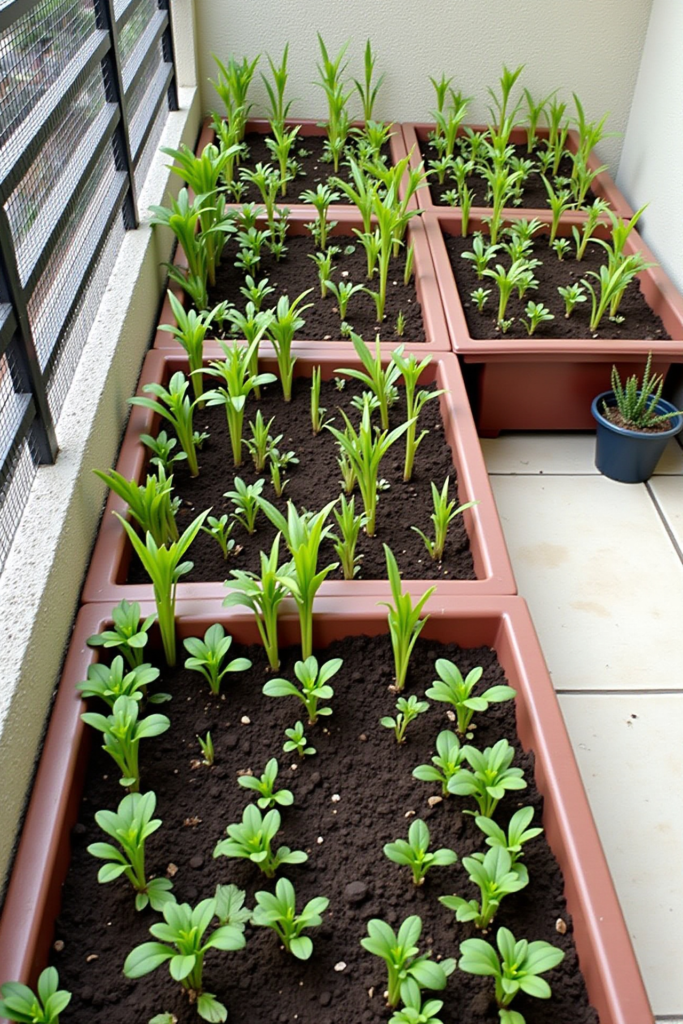
Begin by evaluating the amount of sunlight your balcony receives. Most vegetables need at least 6 hours of direct sunlight per day to thrive. Assess wind exposure, as railings can intensify breezes and dry out your plants quickly. Think vertically—railings, shelves, and hanging baskets create space for more plants and allow for creative designs.
Choose lightweight containers with drainage holes to prevent waterlogging. Select high-quality potting mix, which is lighter and drains better than garden soil. Before you purchase seeds or seedlings, decide which vegetables fit your balcony conditions and your family’s eating habits.
Best Balcony Vegetables For Beginners
Some vegetables are better suited to container gardening and compact spaces. Reliable options include:
– Cherry or bush tomatoes
– Lettuce and leafy greens
– Radishes
– Peppers
– Green beans (especially dwarf/bush varieties)
– Herbs (such as basil, parsley, mint, and chives)
– Spinach and arugula
These crops mature quickly, require minimal care, and are perfect for regular snacking and salads.
Smart Watering and Fertilizing
Balcony gardens are prone to dry out faster than ground gardens. Water your plants early in the morning or late in the afternoon, checking daily during hot weather. Invest in a simple watering can with a long spout to reach containers easily. A slow-release organic fertilizer or a diluted liquid feed every few weeks will support steady growth and harvests, especially in nutrient-hungry veggies like tomatoes and peppers.
Pest and Disease Prevention
Container gardens tend to have fewer pest problems, but it’s wise to inspect plants regularly. Remove yellowing leaves, watch for common balcony pests like aphids or spider mites, and use organic sprays or soap if needed. Keep an eye out for mildew in humid conditions by providing good airflow around your plants.
Balcony Harvesting Techniques
Harvest vegetables when they are at their peak ripeness for the best flavor. For leafy greens and herbs, use the “cut and come again” method—snip outer leaves and let the center keep growing. Tomatoes and peppers taste sweetest when fully colored and firm. Regular harvesting encourages more production and keeps your plants looking tidy.
Ingredients
💡Meal Planning Tip: Save this gardening checklist to automatically generate an organized shopping list with all the tools, containers, and seeds you need—perfect for efficient shopping and planning your garden setup.

Instructions
- Assess your balcony’s sunlight and wind conditions; select vegetables that match these conditions.
- Gather containers with drainage holes and fill them with high-quality potting mix.
- Plant seeds or seedlings according to the depth and spacing instructions on their packets.
- Arrange containers so that all plants have access to ample sunlight and airflow.
- Water regularly, ensuring soil is moist but not soggy. Adjust frequency based on temperature and container size.
- Feed plants with organic fertilizer every 2–4 weeks.
- Monitor for pests; remove dead leaves and harvest vegetables as soon as they ripen.
Weekly Meal Planning—Turn Your Harvest Into Fresh Meals!
Planning ahead maximizes your garden’s value. Save and schedule your garden harvests and related recipes to track what’s ready each week. Generate smart shopping lists that combine fresh produce from your balcony with pantry staples, so you know exactly what to buy and what to pick—helping you cook healthier meals, reduce waste, and enjoy the satisfying fruits (and veggies!) of your labor.
Planning Benefits:
– Automatically totals up the volume of homegrown and store-bought ingredients
– Organizes shopping by store section, so you only buy what you need
– Seamlessly slots fresh produce into your weekly meal plan
– Prevents overbuying and helps you use your balcony garden bounty efficiently
Pro tip: When planning dishes for the week, use CookifyAI’s scheduling to cross-reference your available balcony harvest with your meal plan, helping you make the most of every leaf, tomato, and herb you grow.
Cook and Prep Times
Prep Time: 1 hour (initial setup)
Planting Time: 30 minutes
Ongoing Care: 10–15 minutes daily
Harvest Time: 4–8 weeks depending on crop
Recap: Essential Tips For Starting a Balcony Vegetable Garden
A balcony vegetable garden brings joys of homegrown flavor and green beauty to your living space—no yard necessary! With thoughtful prep, the right plants, and regular care, your balcony can soon become a healthy, edible retreat.